Building a Luxury Business in Monaco
What working across aviation, yachting, hospitality and brand projects has taught me about relationships, clarity and respect for time.
By Lucien Ndabagera · · 2 min read
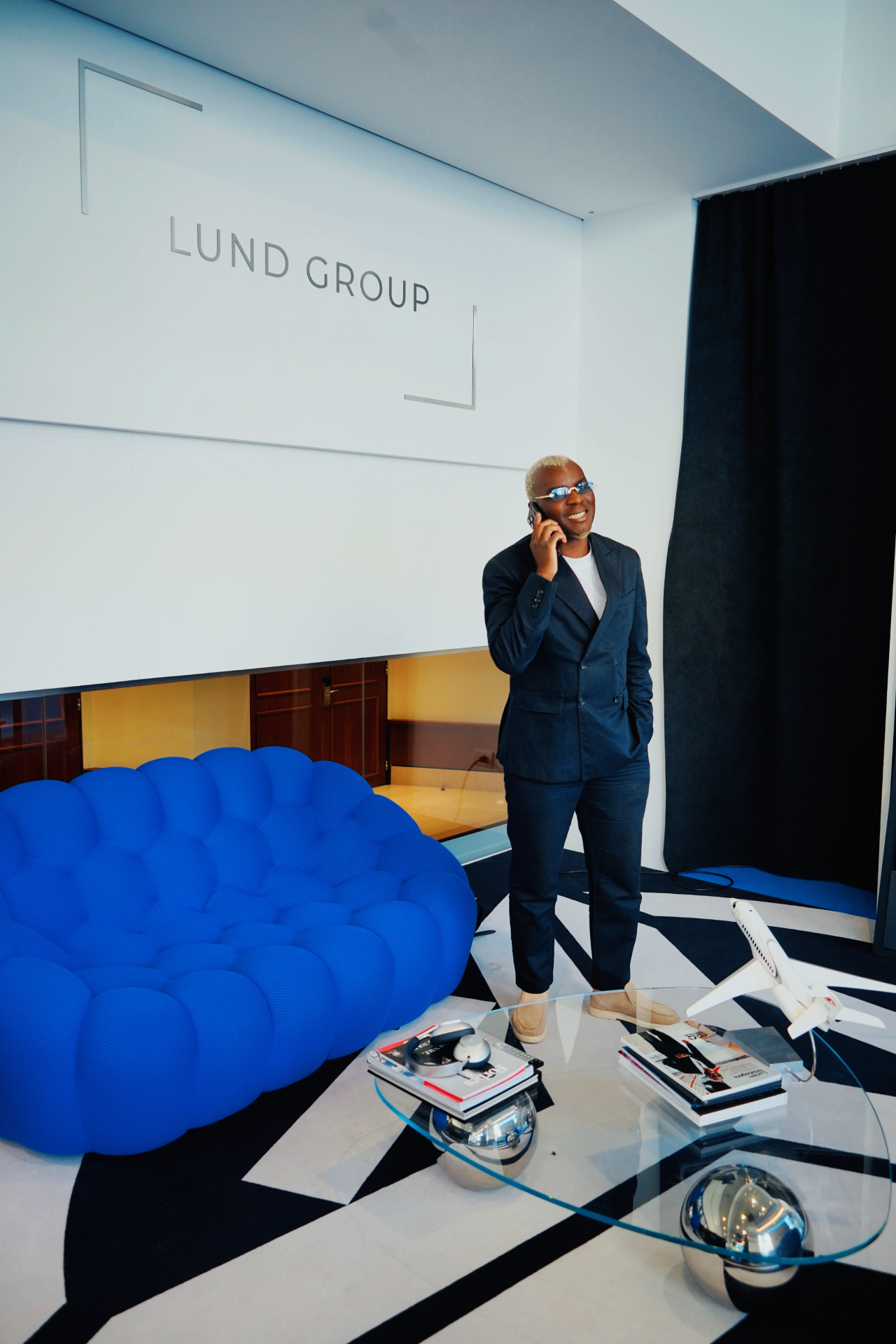
I moved to Monaco at twenty-one, having grown up in Rennes and started exploring business from an early age.
My motivation was freedom: the ability to build something, make my own decisions and create opportunities.
Monaco became an important setting for that journey. Through LUND GROUP and later projects, I developed relationships across automotive, private aviation, yachting and hospitality.
Working across those sectors has given me a practical perspective on entrepreneurship. An idea needs people, clear expectations and consistent attention to the details that move it forward.
Start with a clear brief
A useful business conversation starts with understanding what someone is trying to achieve.
For a travel request, that might mean the destination, dates, people involved and the experience they want. For a brand collaboration, it might mean the audience, setting and contribution expected from each party.
Those details shape the work that follows.
Clarity also helps identify what needs further discussion. A broad idea becomes easier to develop when the people involved understand its purpose and practical requirements.
Build relationships through the work
Relationships have played an important role in my entrepreneurial journey.
Working across different industries means meeting people with different expertise and responsibilities. An aircraft operator, yacht broker, venue team and brand founder each bring a particular perspective.
The relationship develops through how the work is approached: listening, asking useful questions, explaining the brief and keeping communication clear.
For me, business development involves understanding where those different capabilities can connect around a project.
Give each venture its own identity
My projects have taken different forms.
In 2025, I opened a LUND GROUP store at Fairmont Monte-Carlo.
That project brought mobility, design and exceptional machines into a physical retail setting.
Each venture has its own audience, products and way of operating. Developing them means understanding what each project needs and giving it a clear identity.
Make responsibilities clear
A project can involve several businesses and individuals.
That makes it important to understand who is responsible for each part of the work, what has been agreed and which details still need to be resolved.
The same principle applies across a charter request, a retail project or a private event.
An ambitious idea becomes more concrete when the scope, timing and responsibilities are understood by the people involved.
Respect time
Respect for time is central to how I think about business.
A clear message, a useful brief and a focused conversation help people make decisions. Preparation gives those conversations a purpose.
This matters when working across locations, industries and schedules. Everyone involved has their own priorities and commitments.
Keep building with a purpose
Freedom remains a guiding principle for me.
My ambition is to build internationally relevant businesses and share a journey that can encourage other people to pursue their own ideas.
The work continues through decisions, relationships and projects. I want this journal to document some of that process—the thinking behind the ventures, the lessons from developing them and the questions that remain.